
Chapter five · 2025–2026
Platform24 HealthcareDigital care for clinicians and patients
Designing medical device software for two very different users, clinicians who work in it all day and patients who meet care digitally, while meeting WCAG and MDR requirements.
Areas
- Medtech
- SaaS
- User insights
- Concept development
- Prototypes
- Usability testing
- Design system
- Accessibility
- Regulatory requirements
At a glance
- Problem
- Complex clinical workflows had to become simple to use, while meeting WCAG, usability engineering and the regulatory requirements for medical devices (MDR).
- Approach
- The whole design process, from user insights to detailed design, with AI-built prototypes every day and recurring usability tests to validate safe use.
- Outcome
- Solutions for clinicians and patients that meet accessibility and regulatory requirements, with design decisions made early and grounded in how users actually work.
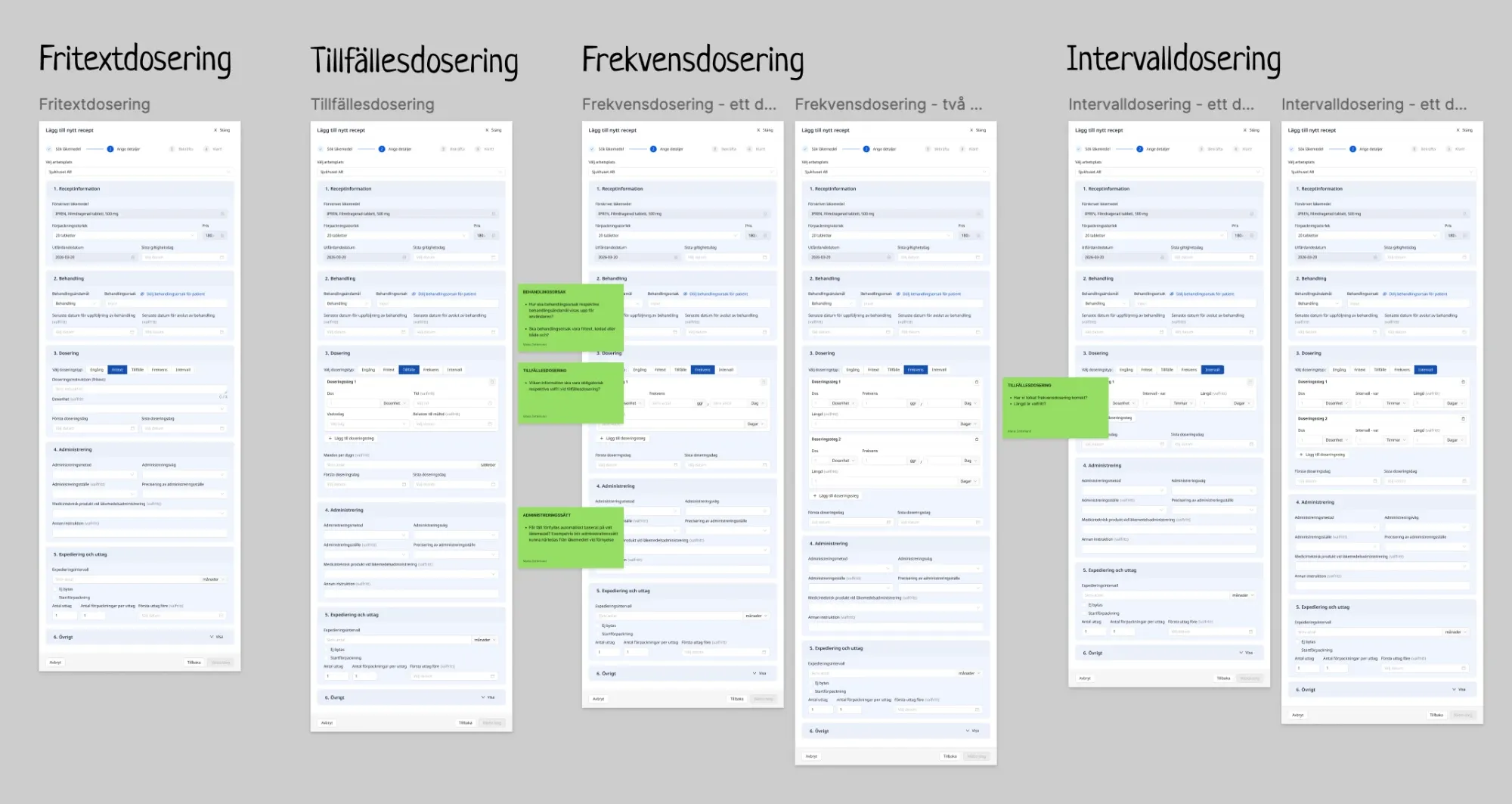
The assignment
Platform24 builds digital care services and medical device software used by care providers and patients. I worked on planned care and digital care meetings, in a cross-functional team close to the product manager and developers.
I designed for two audiences with very different needs: clinicians who work in the services every day, and patients who meet their care provider digitally.
Scope
The work covered care processes, treatment of chronic illness, and digital communication through video and chat. It also covered booking, consultations and managing care cases.
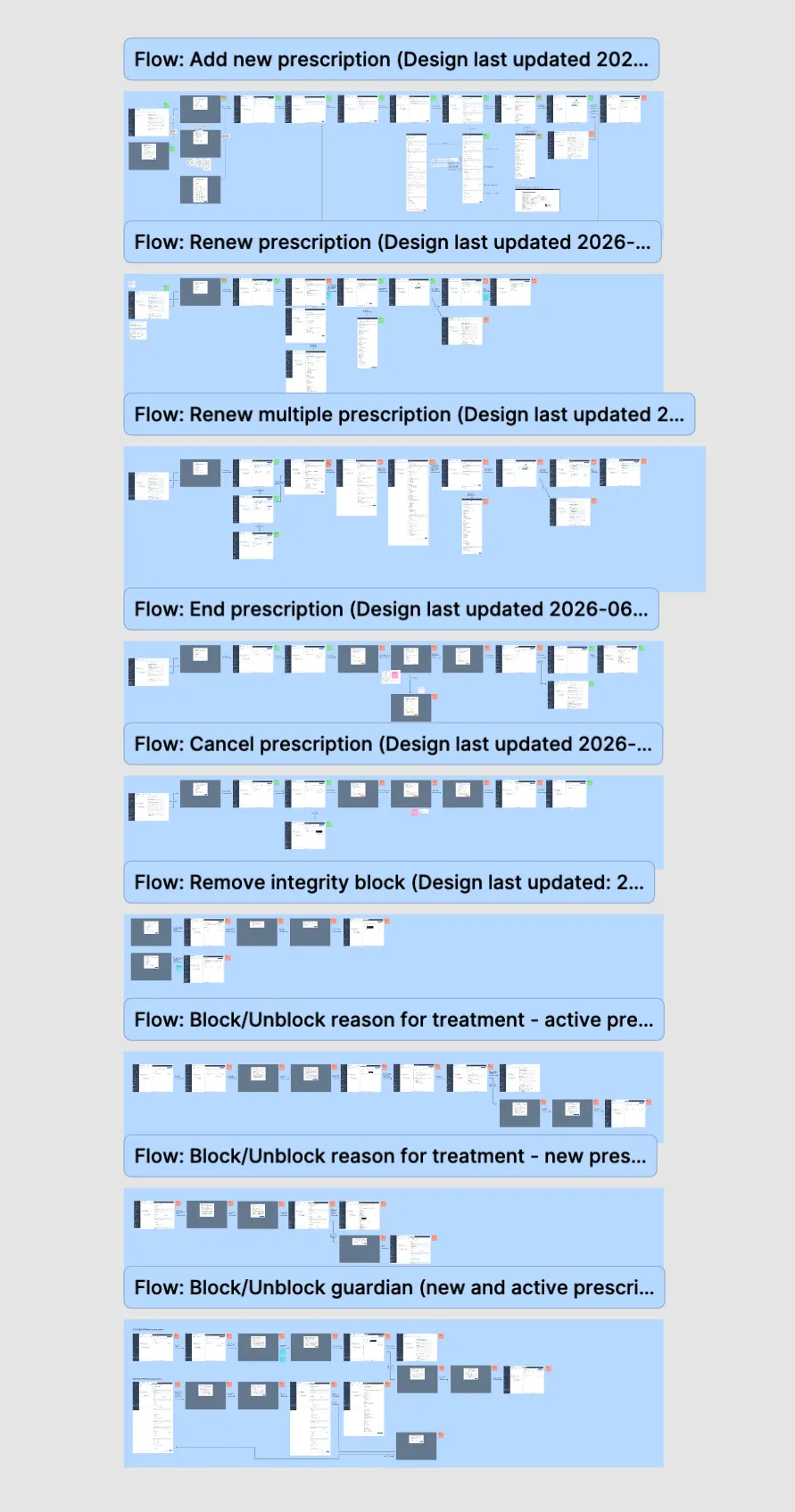
How I worked
I worked through the whole design process, from user insights and concepts to prototypes, testing and detailed design.
I used AI every day to build prototypes. That meant ideas could be tested and iterated quickly, before they went on to development.
Usability testing and validation were a recurring part of the work. The products are medical devices, so they have to show that they work safely for the people using them.
Design system
I updated and developed the design system for the patient app. The aim was a consistent and accessible experience, and a faster way for the teams to build new features.
Challenge
The biggest challenge was combining simplicity with strict requirements. Clinicians’ workflows are often complex, and the design also has to follow WCAG, usability engineering, and the regulatory requirements that come with MDR and NMI.
I turned complex workflows into solutions that are easy to understand and that made clinicians’ everyday work more efficient. I also documented ways of working and design decisions, which medical device software requires.
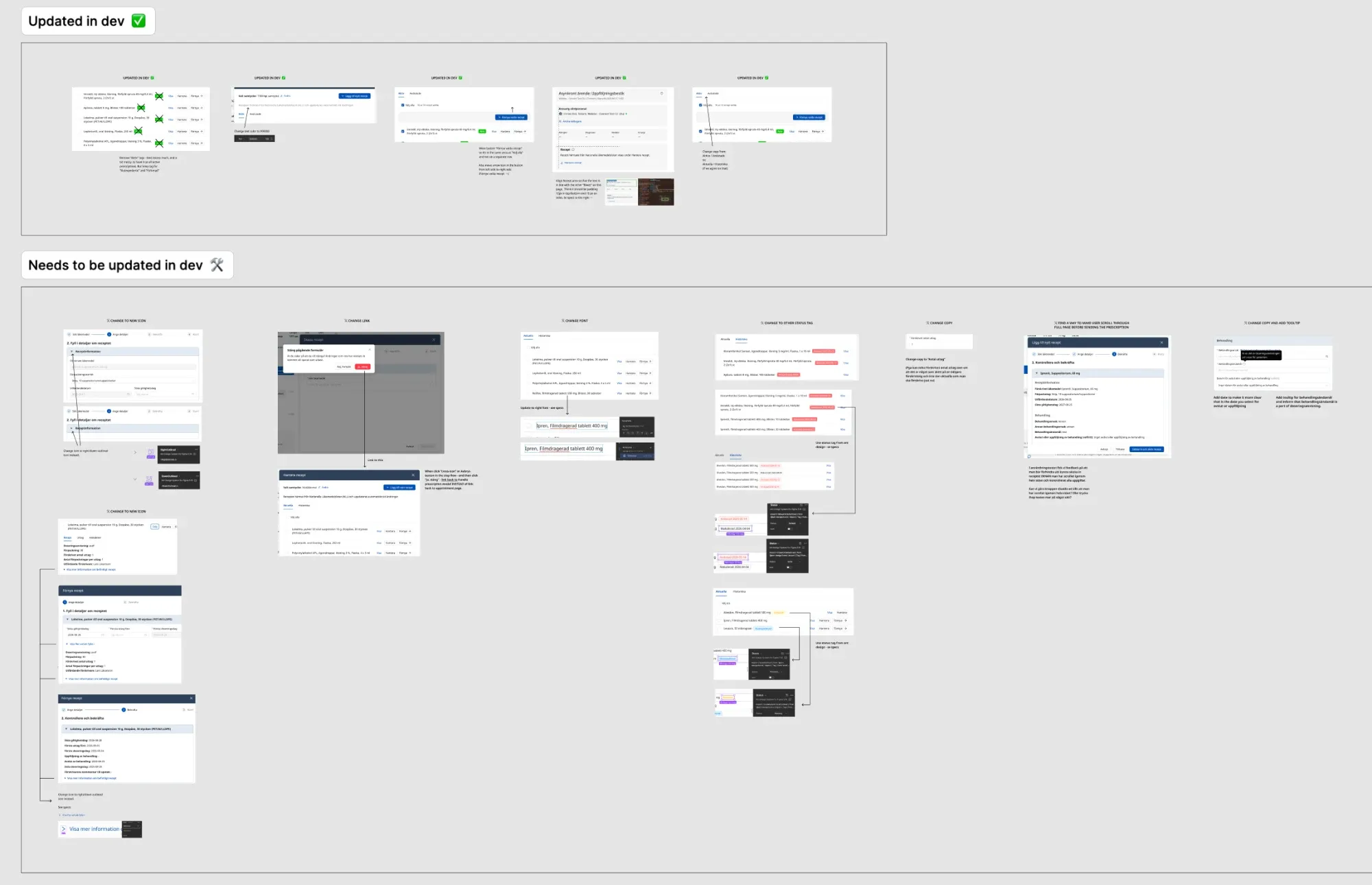
Result
I delivered solutions for both clinicians and patients that met accessibility and regulatory requirements. With AI prototypes and continuous usability testing, the team could make design decisions early, grounded in how users actually work.